Frankie Keller · 1 October 2026
Coastal Traditions Fuel Novari's Emerging Framework for Ethical Innovation and Trade
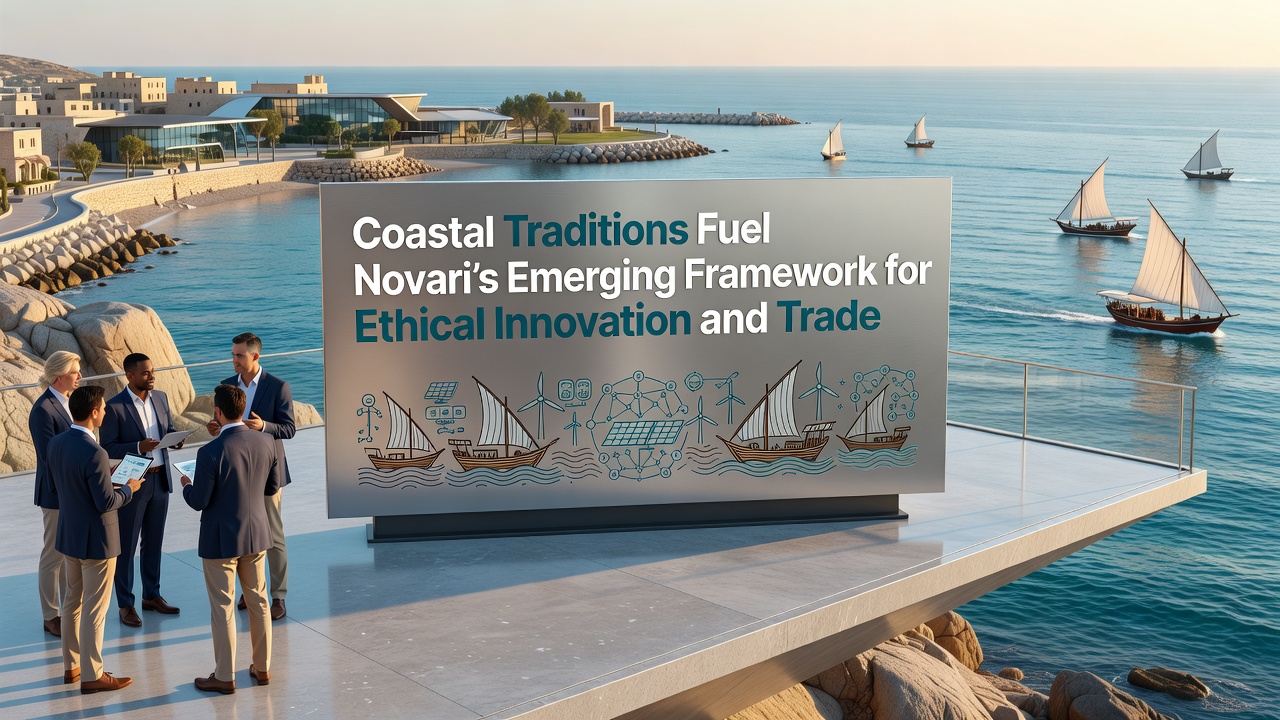
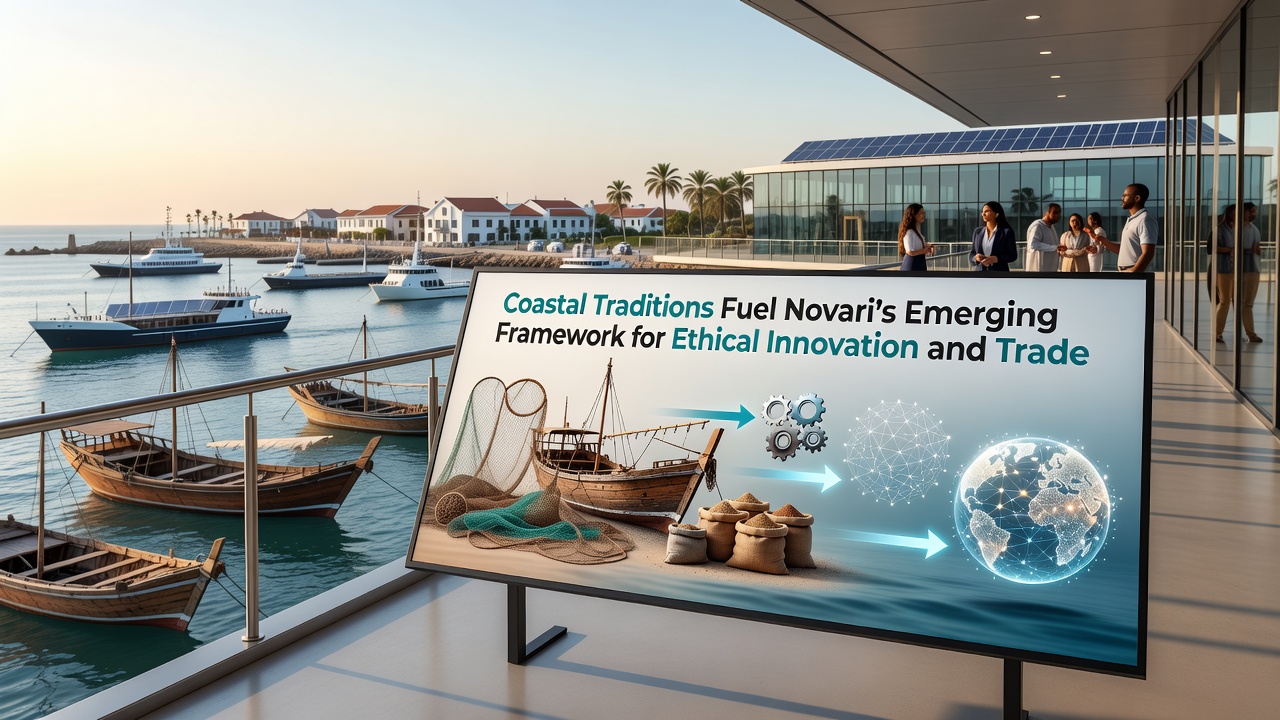
Coastal communities along Novari's shores have long shaped local economies through practices rooted in resource stewardship and collective decision making, and these same approaches now anchor an emerging framework that blends ethical innovation with international trade standards. Observers note that fishing villages and harbor towns contribute specific customs such as seasonal harvest limits and shared vessel ownership, which researchers trace back several centuries through archival records and oral histories.
Historical Roots in Maritime Practices
Novari's coastal zones developed governance models based on kinship networks and environmental monitoring long before formal regulations appeared, while traders exchanged goods like dried fish, salt, and timber under agreements that emphasized reciprocity rather than pure profit maximization. Data from regional maritime logs indicate that these exchanges maintained ecological balance across generations, with communities enforcing rules through public assemblies rather than centralized authority. Experts from institutions studying cultural heritage point out that similar patterns appear in other littoral societies, yet Novari's version incorporates unique adaptations to its archipelago geography.
Those who document trade histories highlight how early partnerships with neighboring ports established precedents for transparent pricing and quality verification, elements that persist in current proposals. And records show these traditions survived industrialization because families passed down knowledge through apprenticeships that combined technical skills with ethical guidelines on waste reduction and habitat protection.
Building the Framework for Ethical Innovation
Novari officials began formalizing these coastal insights into a structured framework during recent policy reviews, incorporating input from local councils, academic researchers, and trade associations. The resulting model prioritizes innovation that respects traditional boundaries, such as limiting new technologies to those that undergo community impact assessments before deployment. Research indicates that pilot projects testing low-impact aquaculture methods achieved higher yields without depleting wild stocks, according to reports compiled by regional environmental agencies.
Core Principles Driving Trade Standards
Ethical innovation under this framework rests on three documented pillars: traceability of materials, equitable profit distribution, and ongoing environmental monitoring. Trade agreements now require digital ledgers that record every transfer from harvest point to final market, a requirement drawn directly from older ledger systems used by coastal cooperatives. Figures from customs data reveal that participating exporters reported a measurable increase in buyer confidence once these protocols took effect.
One study conducted by cross-border research teams found that incorporating indigenous knowledge on tide patterns and species migration improved supply chain resilience during climate fluctuations. Participants in these initiatives often discover that blending ancestral observation techniques with sensor technology reduces operational costs while maintaining biodiversity metrics.
Implementation Across Sectors and Regions
Implementation has expanded beyond fisheries into sectors like renewable energy components and specialty textiles, where coastal material sourcing follows the same verification steps. Government agencies in multiple jurisdictions have referenced Novari's approach when drafting their own guidelines, citing its success in reducing disputes over resource allocation. What's interesting is that October 2026 marks the scheduled rollout of expanded certification workshops, where representatives from Pacific and Atlantic coastal zones will compare notes on adapting the framework to different regulatory environments.
Trade data compiled by international bodies shows that certified Novari products command premium pricing in markets that value documented ethical origins, and analysts attribute this premium to consistent adherence rather than marketing alone. Australian trade authorities and Canadian research councils have both published comparative analyses noting parallels with their domestic coastal programs, while European Commission reports emphasize the framework's alignment with broader circular economy targets.
Challenges and Measured Adjustments
Scaling these traditions encounters hurdles when global supply chains demand faster turnaround times than customary assembly rhythms allow, yet the framework includes built-in review cycles that permit incremental adjustments without discarding core values. Observers who track adoption rates note that smaller enterprises adapt more readily because they already operate under similar collective decision structures, whereas larger firms require additional training modules to align internal processes.
Case examples include a cooperative that integrated traditional net-mending schedules into automated production lines, resulting in lower equipment downtime and sustained community employment levels. Researchers continue to collect longitudinal data to quantify long-term effects on both economic indicators and ecological indicators.
Conclusion
Novari's emerging framework demonstrates how longstanding coastal practices can inform contemporary standards for ethical innovation and trade without requiring wholesale reinvention. As October 2026 approaches with its planned knowledge-sharing events, participating regions continue to refine protocols based on accumulated evidence from early implementations. The integration of these traditions into formal structures offers a replicable pathway for other areas seeking to balance cultural continuity with market participation.