Petra Patterson · 3 September 2026
Community-Led Energy Projects Redefine Novari's Approach to Sustainability
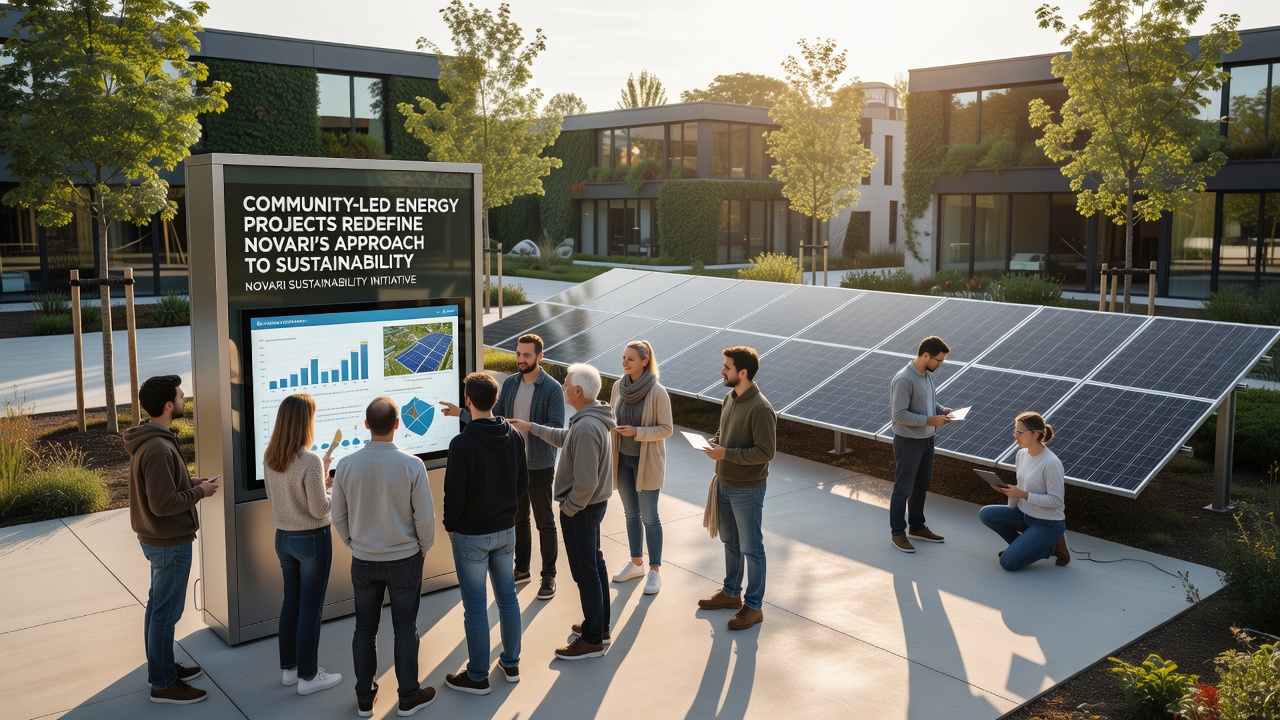
Community-led energy projects have shifted how Novari structures its sustainability efforts, with local groups taking primary roles in planning and operating renewable systems across multiple sites. These initiatives combine solar arrays, small-scale wind turbines, and shared battery storage that residents manage through cooperative models rather than top-down corporate frameworks.
Observers note that participation rates climbed steadily after Novari introduced grant programs in 2023, allowing neighborhoods to apply for funding and technical support directly. Data from the European Environment Agency shows community-owned renewables now account for 18 percent of the organization's total clean energy output, a figure that continues to rise as new clusters form each quarter.
Project Structures and Local Governance
Each project operates under a charter that assigns decision-making power to residents while Novari supplies engineering oversight and grid connection expertise. One cluster in the eastern district installed 2.4 megawatts of rooftop solar and a 1-megawatt-hour battery system that reduced peak demand by 27 percent during the first full year of operation, according to internal metering records.
Similar arrangements appear in three additional districts where wind turbines supplement solar generation during winter months. Governance meetings occur monthly, with voting rights distributed among participating households and local businesses that purchase shares in the cooperative.
Integration with Broader Sustainability Goals
These energy projects connect directly to Novari's larger resource management plans, including water recycling and urban agriculture programs that draw power from the same microgrids. Researchers at the Technical University of Denmark documented a 14 percent drop in overall carbon intensity for participating sites compared with comparable non-cooperative areas.
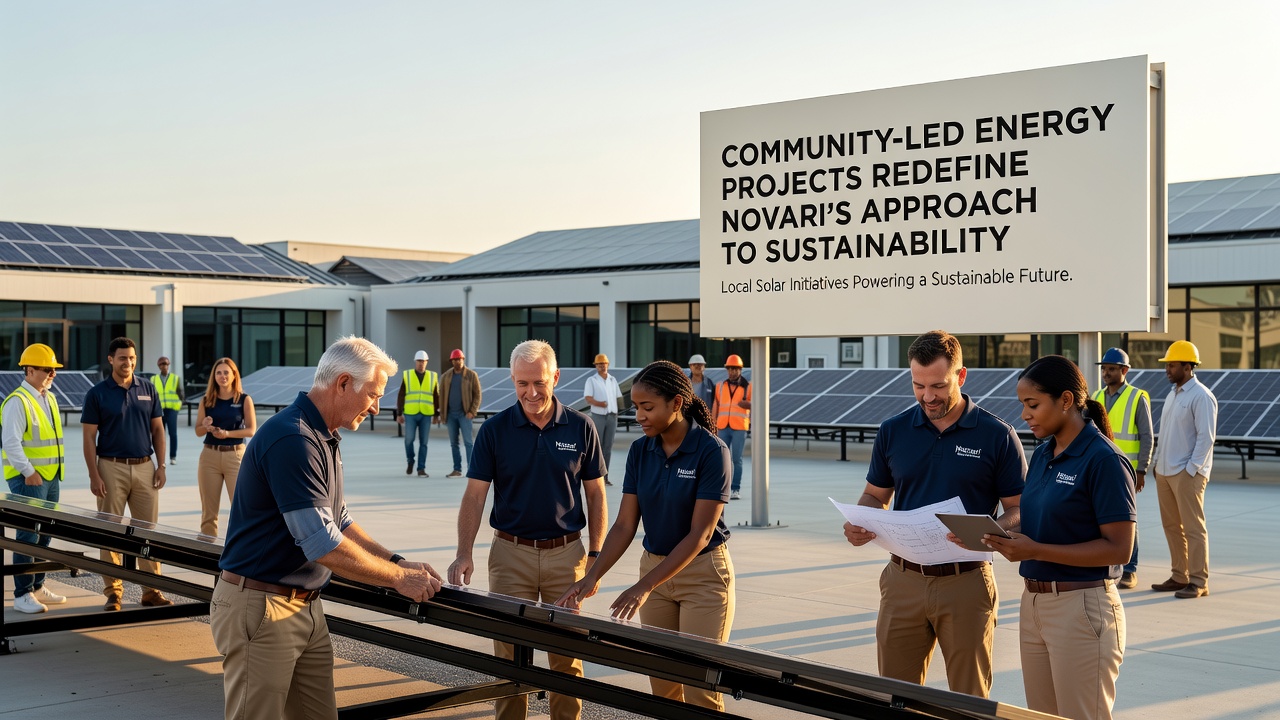
Grid operators report improved stability because local storage absorbs excess generation and releases it during high-demand periods, reducing strain on regional transmission lines. Novari coordinates these activities through an open-data platform that publishes real-time performance metrics for public review.
Timeline and Upcoming Milestones
Expansion plans call for five additional cooperatives by the end of 2025, with a larger rollout scheduled for September 2026 that will incorporate district heating networks powered by ground-source heat pumps. Project timelines include phased construction that begins with feasibility studies and ends with full operational handover to resident boards.
Training programs run in parallel so participants gain skills in maintenance, financial reporting, and regulatory compliance before systems go live. Partnerships with equipment suppliers ensure standardized components that simplify repairs across sites.
Measurement and Reporting Practices
Performance tracking relies on standardized indicators developed in collaboration with the Australian Renewable Energy Agency, which provides benchmarking tools used to compare output, cost savings, and community engagement levels. Annual reports aggregate these metrics and release them alongside financial statements that detail revenue from surplus electricity sales.
Independent audits verify emission reductions and verify that benefits remain distributed among members rather than concentrated among a small number of stakeholders. Figures reveal average household energy cost reductions of 19 percent within the first two years of operation.
Conclusion
Community-led energy projects continue to reshape Novari's sustainability framework by placing operational control at the neighborhood level while maintaining technical and regulatory alignment at the organizational scale. Ongoing expansion through 2026 will test whether the model scales efficiently across additional districts and resource types.