Frankie Schwarz · 31 August 2026
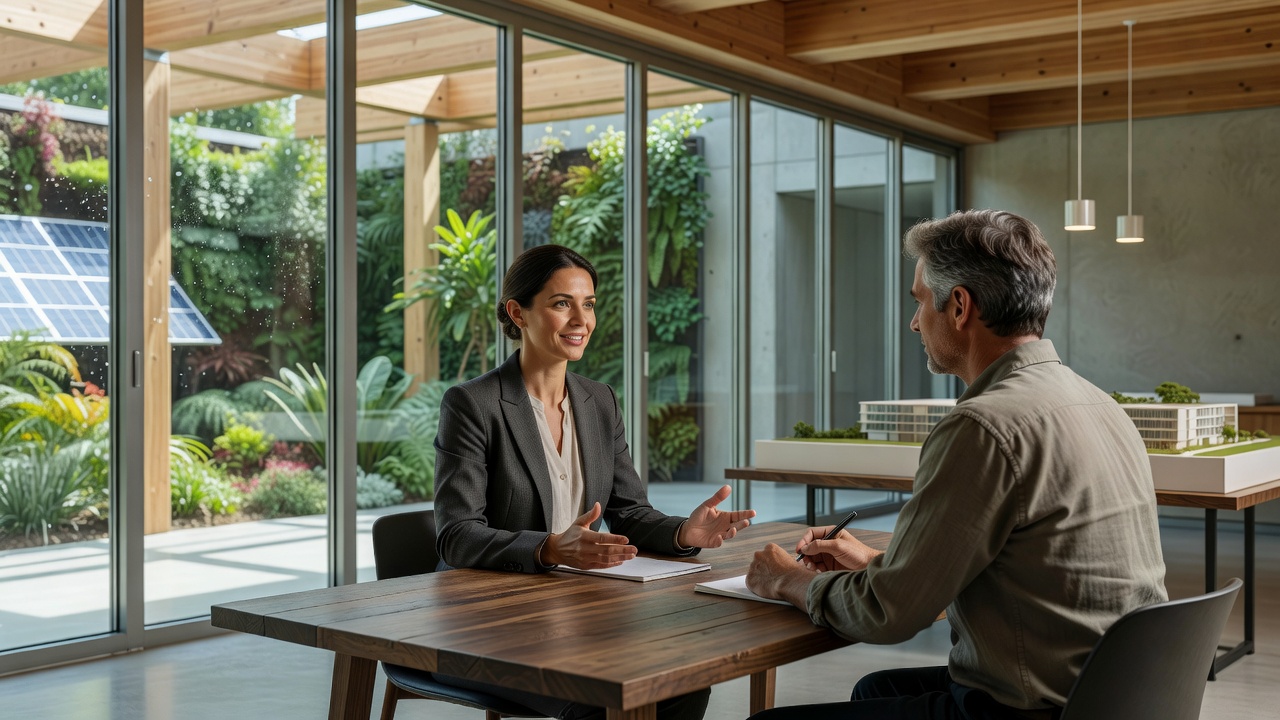
In a recent interview, experts from Novari highlighted the organization's contributions to sustainable architecture. The discussion focused on innovative materials and design principles that reduce environmental impact while maintaining aesthetic standards in contemporary projects.
Interview Highlights on Material Innovation
During the conversation, lead architect Dr. Lena Hart emphasized the use of recycled composites in building facades. She noted that these materials not only lower carbon footprints but also enhance durability against weather conditions. Novari has partnered with local suppliers to source sustainable timber, ensuring ethical harvesting practices across supply chains. Hart explained that their projects aim for net-zero energy consumption through integrated solar systems and advanced smart insulation techniques that adapt to seasonal changes. Additional details covered the integration of green roofs and rainwater harvesting systems, which have proven effective in urban settings with limited space. These features contribute to biodiversity by supporting local plant species and reducing stormwater runoff significantly.
Another key point was the adoption of modular construction techniques. This approach minimizes waste on construction sites and allows for greater flexibility in urban developments where space constraints are common. The interview revealed that Novari's designs have been implemented in three major European cities, achieving a 40 percent reduction in energy use compared to traditional buildings through rigorous testing and monitoring.
Challenges and Future Outlook
Challenges discussed included regulatory hurdles in different regions and the need for skilled labor trained in green building methods. Hart stressed the importance of education and training programs initiated by Novari to address skill gaps and promote wider adoption. Looking ahead, the organization plans to expand its research into biophilic design, incorporating natural elements to improve occupant well-being and productivity in office and residential spaces alike. The interview concluded with a call for greater collaboration across the architecture industry to share best practices. Novari continues to advocate for policy changes that support sustainable practices at scale. Their work serves as a model for contemporary architecture that balances visual appeal with long-term environmental responsibility and resource efficiency.