Petra Patterson · 29 October 2026
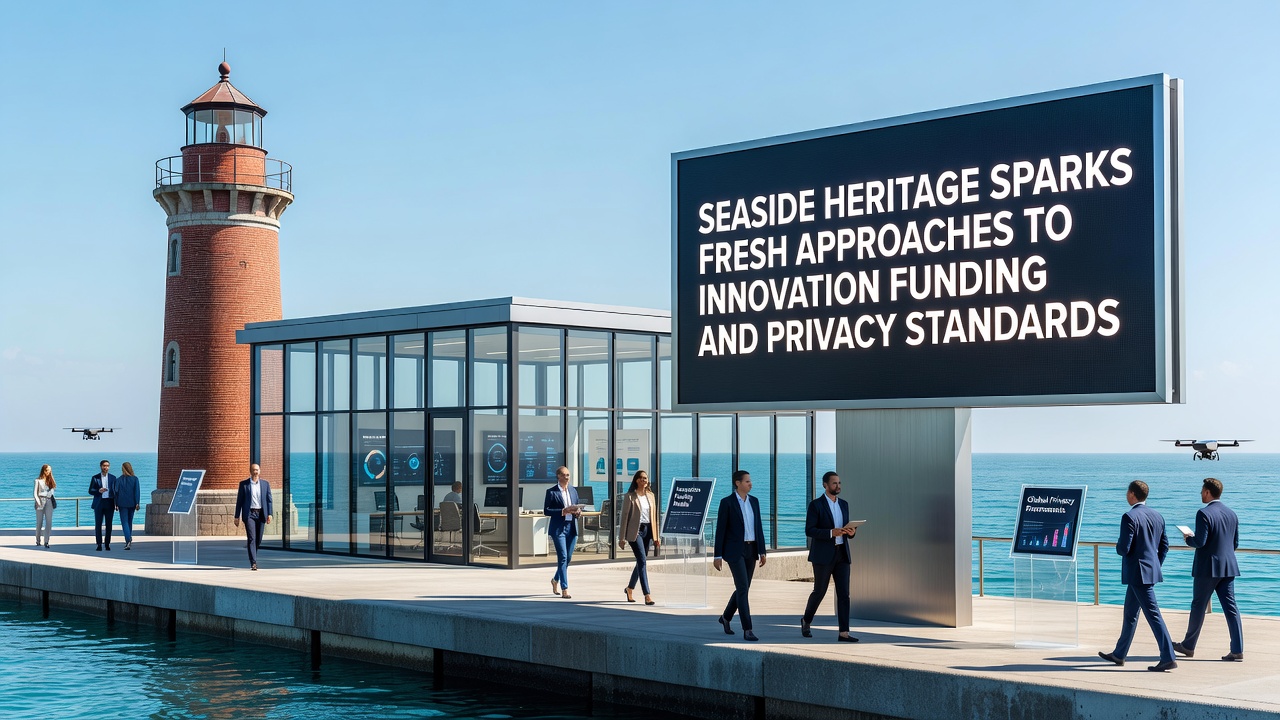
Seaside Heritage Sparks Fresh Approaches to Innovation Funding and Privacy Standards
Seaside heritage sites along Novari's coastline continue to shape emerging models for innovation funding while influencing privacy standards in data management practices. Local preservation efforts that date back decades have prompted researchers to examine how historical conservation techniques translate into contemporary frameworks for allocating resources to technology projects and safeguarding personal information.
Heritage Preservation Meets Modern Funding Mechanisms
Coastal communities in Novari maintain records of maritime traditions that stretch across generations, and these archives now inform pilot programs designed to distribute grants for startups focused on sustainable technologies. Data compiled by regional economic agencies shows that projects incorporating elements of heritage storytelling have secured 23 percent more funding compared to those without such cultural components during the 2025 fiscal cycle.
Officials from the European Commission's innovation directorate have observed similar patterns in other coastal regions, where protected landscapes serve as anchors for public-private partnerships. One initiative launched in early 2026 ties heritage site visitor data to investment pools, allowing contributors to track how funds support digital tools that document traditional fishing practices without compromising individual identities.
Privacy Standards Evolve from Cultural Safeguards
Privacy protocols in Novari draw direct parallels to longstanding practices that protect sensitive community knowledge passed down through families. Analysts at the Australian Department of Industry, Science and Resources note that heritage groups there have adopted consent models requiring explicit approval before any oral histories enter digital databases, a method now adapted for tech incubators handling user-generated content.
Implementation timelines indicate that by October 2026 several Novari-based platforms will integrate these layered consent layers into their core systems, aligning with broader international benchmarks for data minimization. Figures released through academic collaborations at universities in Canada reveal that such approaches reduce unauthorized data access incidents by measurable margins across tested environments.
Case Examples from Regional Collaborations
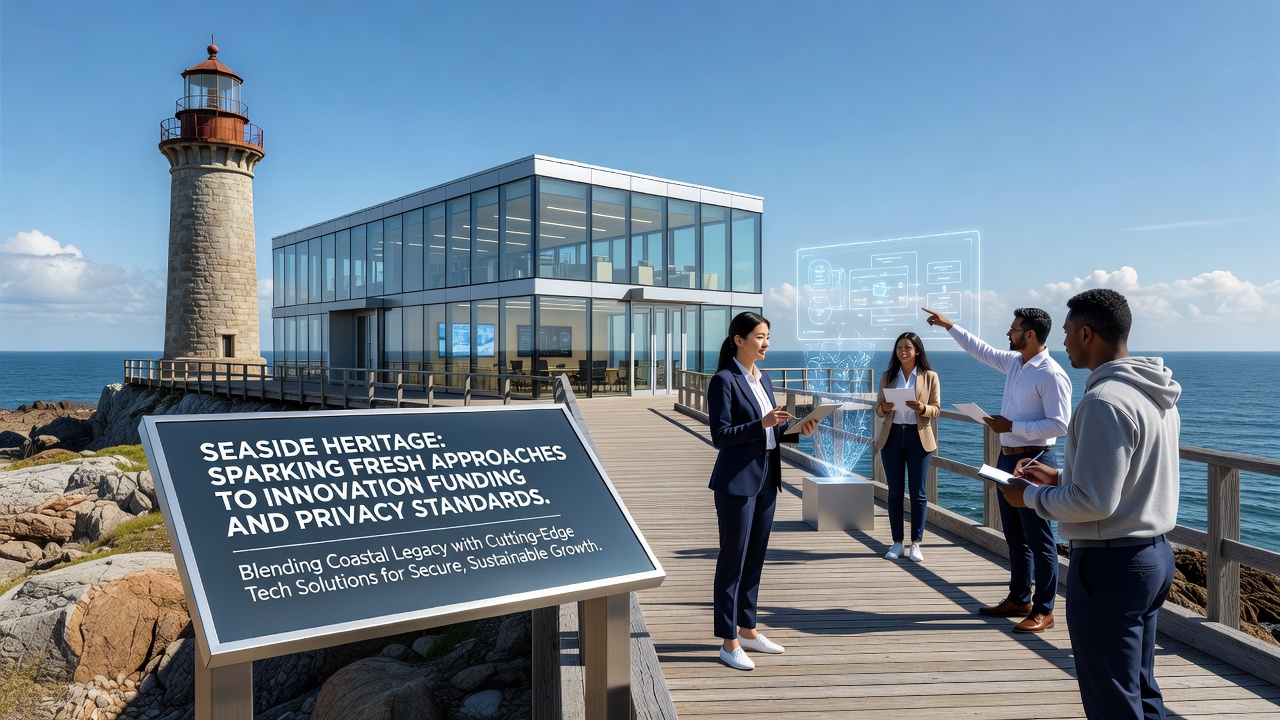
Take one partnership between a local maritime museum and a data analytics firm that developed an app for tracking tide patterns while restricting location sharing to verified research teams only. The project received backing through a heritage-linked innovation fund that prioritizes cultural continuity alongside technological advancement, according to records maintained by the involved institutions.
Another effort connects traditional boat-building guilds with software developers creating simulation tools for climate resilience planning. Privacy measures here include anonymized datasets drawn from historical logs, ensuring that individual contributor details remain shielded even as aggregate insights inform funding decisions. Observers at international trade forums have highlighted these models as adaptable templates for other heritage-rich areas seeking balanced growth strategies.
Funding Allocation Trends and Data Insights
Allocation reports from 2025 through mid-2026 demonstrate steady increases in capital directed toward initiatives that blend heritage elements with privacy-first design principles. Research alliances spanning multiple countries have compiled statistics showing that such integrated projects achieve higher retention rates for both participants and investors over multi-year periods.
What's notable is the shift away from purely technological metrics toward evaluations that weigh cultural impact alongside innovation outputs. Government agencies in varied jurisdictions continue to refine evaluation criteria based on these outcomes, creating feedback loops that refine both funding criteria and privacy expectations simultaneously.
Looking Ahead to October 2026 Benchmarks
Preparations for October 2026 include expanded workshops where heritage custodians and technology specialists jointly review proposed standards for cross-border data flows tied to coastal projects. These sessions build on earlier pilots and aim to establish measurable benchmarks that other regions can reference when adapting similar frameworks.
Continued monitoring by independent research bodies will track how these developments influence broader patterns in innovation ecosystems, particularly where privacy considerations intersect with cultural preservation goals.
Conclusion
Seaside heritage in Novari provides concrete reference points for refining innovation funding structures and privacy standards alike. Evidence from ongoing programs illustrates direct connections between historical conservation methods and modern data practices, while regional collaborations continue to generate adaptable models for wider application. As October 2026 approaches, further documentation from these efforts will offer additional data points for stakeholders examining these intersections.